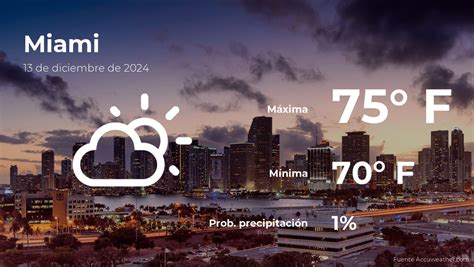
Your Daily Weather Forecast: Stay Ahead of the DayHaving a reliable
daily weather forecast
is an absolute game-changer for all of us, isn’t it, guys? It’s not just about knowing if it’ll rain, but truly
understanding
what the day has in store so we can plan effectively. Imagine trying to coordinate a family outing, a construction project, or even just picking out your clothes without any idea of the weather. It would be chaos! That’s why diving deep into how to interpret your
weather forecast
and why it’s so crucial for everyday life is super important. We’re going to break down everything from the basics of how weather works to the high-tech gadgets meteorologists use, all in a friendly, easy-to-digest way. Staying informed about the
daily weather
empowers you to make smarter decisions, whether you’re commuting to work, planning a picnic, or deciding whether to water your plants. This isn’t just about avoiding a soggy shirt; it’s about optimizing your entire day, protecting your property, and ensuring your safety. Knowing when a storm is brewing can mean the difference between a minor inconvenience and a serious hazard. So let’s get ready to become
weather forecast
masters and truly stay ahead of the day, making sure we’re always prepared for whatever Mother Nature throws our way. It’s about being proactive, not reactive, and gaining a little peace of mind in our busy lives. We’ll explore the fascinating science behind these predictions, unraveling the mysteries of the atmosphere so you can look at your weather app with a newfound appreciation and understanding. This comprehensive guide will equip you with all the knowledge you need to confidently interpret any weather report, making your life a whole lot easier and much more organized. Let’s make sure we’re all clued up and ready for anything!## Understanding the Basics of Weather ForecastingLet’s kick things off by chatting about the
fundamentals of weather forecasting
because, honestly, understanding the basics makes all the difference when you’re looking at your
daily weather forecast
. Weather isn’t just random; it’s a complex dance of atmospheric pressure, temperature, humidity, and wind, all constantly interacting to create the conditions we experience.
Atmospheric pressure
is a huge player here; high pressure generally means clear, stable weather because the air is sinking, while low pressure often brings clouds, precipitation, and storms as air rises. Think of it like a giant invisible hand pushing down or lifting up the air around us. Then there’s
temperature
, which we all know and love (or sometimes hate!). It dictates how much moisture the air can hold and influences wind patterns. Warm air rises, cool air sinks, and this constant movement is what drives many weather phenomena.
Humidity
refers to the amount of water vapor in the air, a critical factor for predicting dew points, fog, and, of course, rain. High humidity makes it feel stickier and increases the chance of precipitation. And finally,
wind
– the movement of air – is essentially how these different pressure and temperature systems communicate. Wind carries moisture, heat, and cold across vast distances, shaping local weather conditions. Meteorologists gather data from thousands of weather stations worldwide, including land-based sensors, weather balloons, and buoys in the ocean. These instruments measure everything from air temperature and humidity to wind speed and direction, providing a real-time snapshot of the atmosphere. This massive influx of data is then fed into incredibly powerful supercomputers that run sophisticated
numerical weather prediction models
. These models are essentially complex mathematical equations that simulate how the atmosphere will evolve over time, based on its current state. It’s like predicting the trajectory of a billiard ball, but with billions of them moving in three dimensions! The accuracy of a
weather forecast
depends heavily on the quality and density of this initial data and the power of these models. Understanding these core concepts helps you appreciate the science and effort behind that seemingly simple three-day forecast on your phone. It’s not magic, guys; it’s cutting-edge science and a whole lot of data analysis working tirelessly to keep us informed and prepared. It’s truly fascinating how all these elements come together, creating the dynamic environment we live in and making
weather forecasting
both an art and a science that helps us all make better plans.## Tools and Technology Behind Accurate ForecastsAlright, guys, let’s pull back the curtain and talk about the seriously cool
tools and technology
that make our
accurate weather forecasts
possible. It’s not just some guy looking at the sky anymore; we’re talking about a global network of advanced instruments and supercomputers working overtime. When we talk about
weather radar
, we’re looking at an indispensable tool that sends out radio waves which bounce off precipitation – rain, snow, hail – and return to the receiver. The time it takes for the waves to return, and their intensity, tells meteorologists the location, intensity, and movement of storms. This means we can get real-time updates on
incoming rain
or the severity of a thunderstorm. It’s literally how they warn us about severe weather, giving us crucial minutes or hours to prepare. Then there’s
satellite imagery
, which provides an even broader perspective. Geostationary satellites orbit at a fixed point above the Earth, giving continuous views of large areas, while polar-orbiting satellites provide detailed images of the entire globe as it rotates beneath them. These satellites capture visible light images during the day, showing clouds and weather systems, and infrared images day and night, which measure temperature and can detect cloud tops, even in darkness. This allows
meteorologists
to track the development and movement of major weather systems, from hurricanes to broad cold fronts, long before they impact land. But the real powerhouse behind modern
weather prediction
is
numerical weather prediction (NWP)
. This involves feeding all that radar and satellite data, along with ground-based observations, into
insanely powerful supercomputers
. These machines run incredibly complex mathematical models that simulate the physics of the atmosphere. They forecast how temperature, pressure, humidity, and wind will change over time at various altitudes and locations around the world. These models are constantly being refined, becoming more sophisticated and accurate with each passing year, incorporating even finer details of topography and atmospheric processes. The output from these models isn’t just one single forecast; it’s often a range of possible scenarios, known as
ensemble forecasting
, which helps meteorologists understand the level of uncertainty in their predictions. This allows them to issue more confident forecasts and provide probabilities for certain events, like the chance of rain. So, when you see your
daily weather forecast
, know that it’s backed by an incredible fusion of high-tech hardware, cutting-edge software, and dedicated scientists, all striving to give you the most accurate picture of what’s coming next. It’s truly amazing how far we’ve come in understanding and predicting our dynamic atmosphere!## How to Interpret Your Daily Weather ReportNavigating your
daily weather report
can sometimes feel like deciphering a secret code, but it doesn’t have to be that way, guys! Once you know what to look for, you’ll be a pro at understanding what all those numbers and symbols really mean for your day. Let’s break down some common terms. First up,
temperature
is pretty straightforward, but pay attention to the
‘feels like’
temperature, which accounts for wind chill (how cold it feels due to wind) or heat index (how hot it feels due to humidity). This is often more important for how you’ll actually experience the weather. Then there’s the
probability of rain
, often expressed as a percentage. A 60% chance of rain doesn’t mean it will rain 60% of the day or in 60% of the forecast area. It means there’s a 60% chance
any given point
in the forecast area will see measurable precipitation during the specified period. So, even a 30% chance means you might want an umbrella!
Wind speed and direction
are crucial, especially if you’re planning outdoor activities like boating or flying a kite. Strong winds can make a warm day feel chilly or turn a clear day into a dusty one. Direction tells you where the wind is coming from, which can influence temperature and air quality. Many reports also include
UV index
, a measure of the strength of the sun’s ultraviolet rays. A high UV index (7 or above) means you need serious sun protection, even on cloudy days, to prevent sunburn and skin damage. Don’t forget the
dew point
! While not always prominently displayed, a high dew point (above 60°F or 15°C) means there’s a lot of moisture in the air, making it feel muggy and increasing the chance of fog or afternoon thunderstorms. A lower dew point means drier, more comfortable air.
Humidity
is also a key factor, indicating the amount of water vapor present. High humidity can make hot days feel stifling and cold days feel bone-chillingly damp. Finally, keep an eye on
advisories, watches, and warnings
. A
watch
means conditions are favorable for a particular weather event to occur (e.g., tornado watch), while a
warning
means that event is imminent or already happening (e.g., tornado warning). An
advisory
indicates less severe but still potentially hazardous conditions. Understanding these terms helps you quickly grasp the practical implications of your
weather report
and empowers you to make smarter decisions about your clothing, travel plans, and outdoor activities, keeping you safe and comfortable throughout the day. It’s all about translating the science into actionable insights for your everyday life, helping you truly leverage the power of
weather awareness
to your advantage.## Beyond the Daily Forecast: Long-Range and Seasonal OutlooksWhile our
daily weather forecast
is super helpful for planning tomorrow’s outfit or weekend picnic, sometimes we need to think bigger, right, guys? That’s where
long-range and seasonal outlooks
come into play, offering a glimpse into what the weather might be like weeks or even months down the line. These broader forecasts don’t give you exact temperatures or chances of rain for a specific day in the future, but rather indicate general trends – like whether an upcoming season is likely to be warmer, colder, wetter, or drier than average. For example, a
long-range forecast
might suggest a higher probability of above-average temperatures for the next three months in your region. This kind of information is gold for a variety of folks. Farmers, for instance, rely heavily on
seasonal outlooks
to make critical decisions about planting, harvesting, and crop selection. Knowing if a summer is predicted to be unusually dry can influence irrigation strategies, while a forecast for a wet spring might delay planting. Similarly, utility companies use these outlooks to anticipate energy demands; a projected colder winter means they’ll need to prepare for higher heating consumption, while a hot summer suggests more air conditioning use. For us regular folks, these forecasts can help with vacation planning, especially if you’re thinking about a trip far in advance. If a tropical destination is predicted to have an active hurricane season, you might reconsider your travel dates. It can also influence purchasing decisions, like when to buy a new snowblower if a particularly snowy winter is anticipated. These
weather trends
are also incredibly important in the context of
climate change
. By observing long-term shifts in these
seasonal outlooks
, scientists can gather crucial data to understand global warming patterns and their potential impacts. For instance, consistent predictions of warmer-than-average winters or prolonged droughts over several years contribute to our understanding of how our climate is evolving. The science behind these extended forecasts involves analyzing large-scale atmospheric and oceanic patterns, such as El Niño and La Niña, which have a significant influence on global weather. These phenomena involve temperature changes in the Pacific Ocean that can alter weather patterns across continents. It’s a much broader, more generalized look than your hourly forecast, but incredibly powerful for strategic planning and understanding the bigger picture of our planet’s weather future. So, next time you’re planning something big, remember there’s more to weather prediction than just tomorrow’s sunshine; there’s a whole world of
long-term weather insights
waiting to help you make informed decisions far into the future. It truly helps us prepare for the bigger picture, not just the daily grind, ensuring we’re always one step ahead.## ConclusionSo, there you have it, guys! We’ve covered a whole lot about
understanding weather forecasts
, from the fundamental science of atmospheric pressure and temperature to the amazing technology like radar and satellites that make these predictions possible. We’ve also learned how to really interpret your
daily weather report
, breaking down everything from wind chill to the UV index, so you can stop guessing and start knowing exactly what to expect. And we even ventured beyond the everyday, looking at how
long-range and seasonal outlooks
can help us plan for bigger things, whether it’s farming, energy management, or even just planning that dream vacation. The ultimate takeaway here is empowerment through knowledge. By taking a few moments each day to genuinely engage with your
weather forecast
, you’re not just checking a box; you’re making
informed decisions
that can impact your comfort, safety, and even your wallet. Knowing when to carry an umbrella, when to dress in layers, or when to reschedule an outdoor event isn’t just about convenience; it’s about being prepared and proactive. This kind of
weather awareness
helps prevent minor inconveniences from becoming major headaches. It allows you to optimize your commute, protect your plants, or ensure your family stays safe during severe weather. Think about it: a quick glance at the forecast can tell you if you need to bring in the patio furniture, cover sensitive plants, or even just adjust your driving route to avoid potential hazards. It’s about taking control of your day instead of letting the weather dictate it. The science behind
weather forecasting
is incredibly complex, involving vast amounts of data, sophisticated models, and the tireless work of meteorologists around the globe. Appreciating this effort helps us trust the predictions and use them more effectively. So, let’s make it a habit, guys, to not just glance at the forecast, but to truly understand and integrate it into our
planning your day
. Whether you’re a busy professional, an outdoor enthusiast, a parent, or simply someone who likes to be prepared, mastering your
daily weather forecast
is an invaluable skill. Stay curious, stay informed, and most importantly, stay safe and comfortable by making
weather awareness
a core part of your daily routine. It’s an easy way to add a little more predictability and peace of mind to your life, allowing you to confidently tackle whatever the day (or season!) brings your way. Cheers to being prepared and living your best life, come rain or shine!
